Your potential speed and quality of response resolving a customer service issue directly correlates to the power and control the individual you are talking to, possesses.
Why get submerged in “customer complaints” when a few moments research, and crafting a powerfully worded letter to the CEO, which is demonstrably in his or her self-interest, would be a better use of your time?
My observation is 99% of people don’t do this because they are “fearful”, refuse to act as a “peer” of the CEO or feel “guilty” turning up unannounced.
Listen, you are doing the CEO , and your fellow customers a valuable favourin bringing it to his or her attention. If you don’t agree, why the hell are you frustrated?
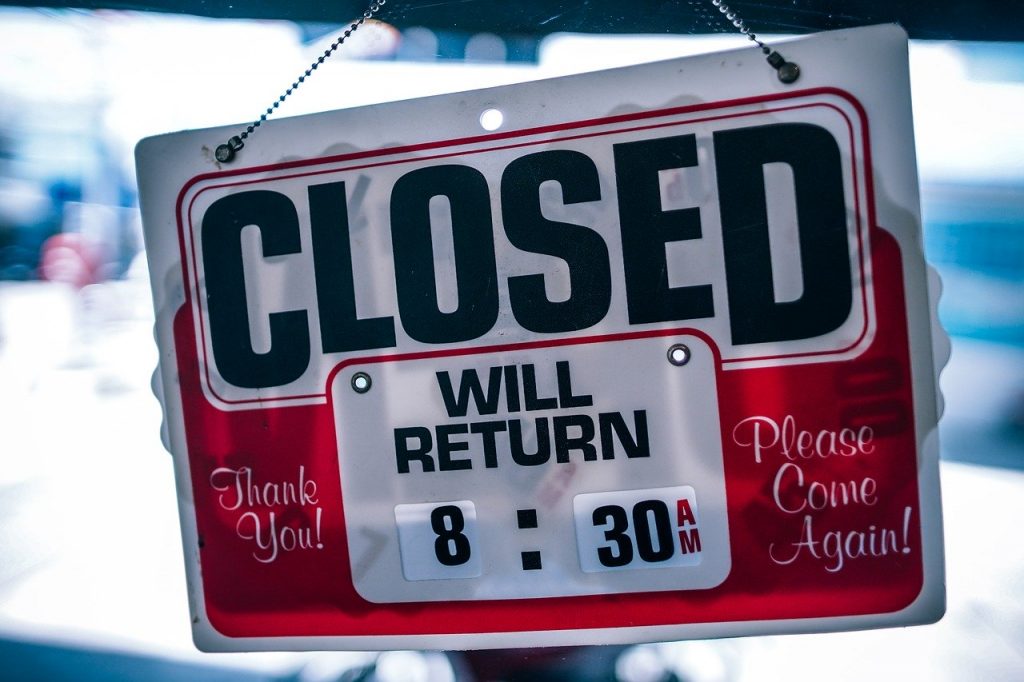
With the lifting of restrictions in the UK, US and Europe for many businesses this week, there is an urge to tell clients “We Are Open”. Just this week, I heard a CEO of a global services business remonstrating with his colleagues to get their clients to come and see them in their metropolitan offices.
I get that in businesses, who have shut completely.
For the rest, you were always “open”, weren’t you? If your product and services are mobile, what is the big deal? Isn’t the point that with greater freedom of movement, you are freer to adapt to your clients’ and prospects’ preferences within reason? If they are residing in the countryside, at the beach or resort location, set up a temporary home there, and bring the “show” to them.
With the long Summer evenings in the Northern Hemisphere, and a temperate climate, 9:30pm in our garden is a hive of activity and noise. The dog and cat, the ducks, the bluetits and so on, busily entertaining themselves.
Yet curiously, most workforces stick rigidly to “opening” and “closing” times, physically or metaphorically. There is no seasonality. No recognition of times when it might be more attractive to go about our business.
If we are to be working from home more and balancing the demands from our clients and our families, we need structure and discipline but we also need greater flexibility. We need bosses, who are willing to give employees the freedom to adjust to their customers’ needs, not some preconceived idea of the working day.
A lot of local recreational sports clubs are awash with members and volunteers giving their time, energy and money for a better, and more prosperous future, when they are able to resume playing.
In these extraordinary times, extraordinary generosity is on display. None of this creates main stream media headlines but it has been picked up by a lot of local broadcast, print and digital media, where their staff have not been furloughed.
One of the trends I spot in this pandemic, and I suspect it will sustain and grow, is an increasing thirst for local human interest stories, and acts of kindness. Distinct from national and international media, and social media, whose incessant fight for eyeballs, is driven by editorial viewpoints and divergent beliefs. If we are more connected with our local communities at this time, why wouldn’t we be more connected with and trusting of ‘local’ media?
The moles in our garden are rarely seen but the results of their nocturnal efforts are hugely impressive each morning and annoying, in equal measure.
I see clients and prospects daily getting on with their business activities, largely out of sight of the main stream UK media and economists. I am feeling positive that the inevitable recovery is here now, not in 3 or 6 months, in a great many sectors. Yet we are just not hearing that “talk”, it doesn’t get clicks or eyeballs. For those, who merely wish to live in virtual suspension, fearful to step outside the door, good luck! For the rest of us, let’s assertively innovate, adapt and maximise our contribution to society.
I get asked a lot about “what” a wealthy individual or family is seeking to do next and “how” they might do what the questioner wants them to do (invest, buy/sell, contribute, donate etc.). I rarely get asked “why” a wealthy individual owns a business, chooses to invest, contribute or pursue their current lifestyle (self-interest). It is as if, the questioner cannot find the time to think or wants to “steal” my insight with no obvious reward for me.
Here’s the kicker, the wealthier most individuals and families become the more “on guard” they are to prying eyes, and the greater the instinct to ferociously protect their privacy. You cannot force them, in a democratic world, to truthfully tell you “why”, not even the IRS but you can create a set of conditions in which they might.
A peer-level trusting relationship, intellectual acuity, social skills and the ability to frame the question intelligently, is the minimum “entry fee”.
If you cannot “find the time”, why should a wealthy individual or someone like me, give you the time of today?
If you insist on using other people’s metaphors, you help your own credibility by applying them correctly to events. Better still, create your own metaphors.
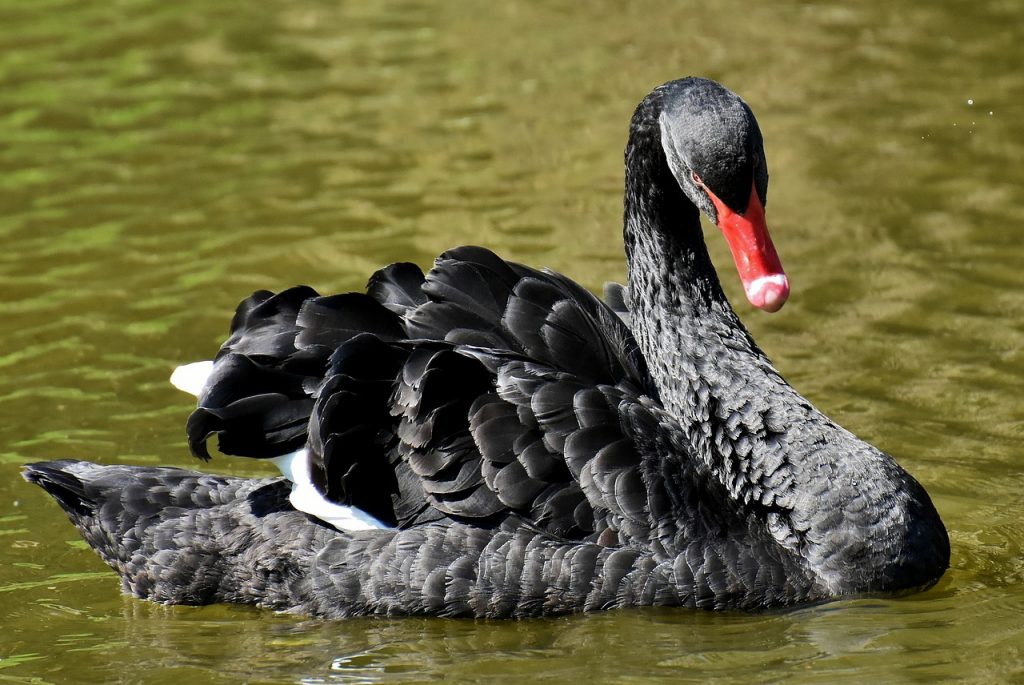
Three recent cases, insurance entrepreneur, Stephen Catlin, journalist Gavin Davis and Oliver Wyman partners, Tony Hayes, Russell Jones and Joshua Gilbert, who insist on referring to Covid-19 as a “black swan” event. The creator of the metaphor, Nassim Nicholas Taleb, has told everyone, who follows his work that this is a “white swan” event.
My point is not to “pick up” individuals but success. Learning the right lessons from this pandemic and changing future behaviour requires that we fully grasp the issue at hand, not mis-represent it.
We often think of “breakthroughs” in terms of widespread adoption of new products and services, new innovations, new market growth etc.
With my most successful clients, it is much simpler and more constant.
Daily, weekly or monthly, it is about closing attractive business quicker, firing dysfunctional customers or employees, more intelligent pricing, agreeing more equitable terms of trade, faster cash collection and so on.
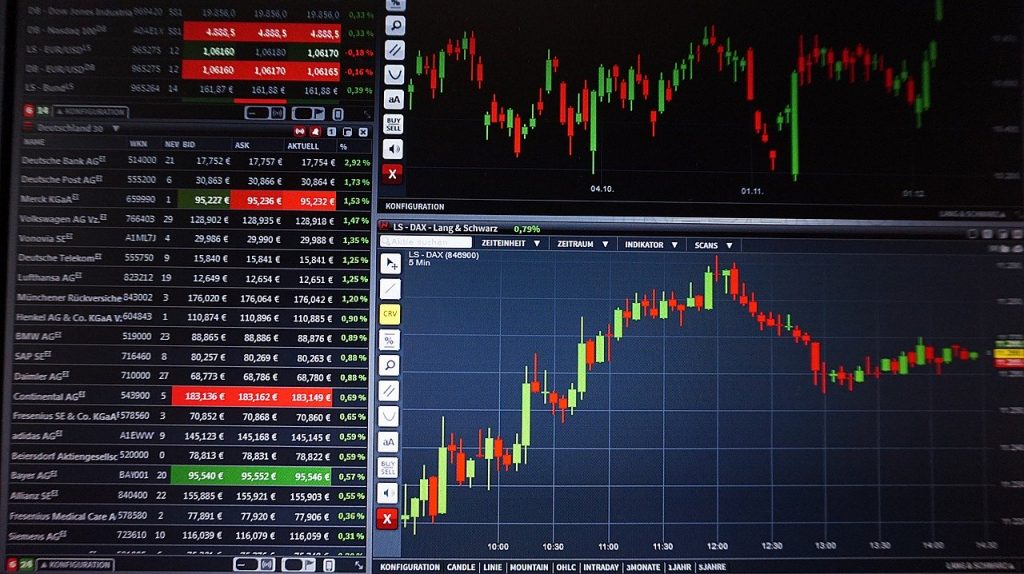
Just this week, I saw the management in a niche $150 million European financial trading business boldly tell the sub-sector’s largest global customer with ~$3 billion of liquidity that his preferred terms (rebates) were ending. Convention within the industry and the prior management was “you cannot level the playing field, we’ll be screwed”. A week later, an impressive array of prospects, who had historically swerved the firm’s offerings stepped forward with offers of substantial new liquidity, and the trading business is reporting record weekly profits.
The “breakthrough” is first, leaders having the courage to accept change must happen, adjusting long-held beliefs, attitudes and behaviours. Secondly, having people, particularly mid-level managers, with the volition and skills to see it gets done quickly. Thirdly, an absence of fearing the consequences when informed assumptions prove to be incorrect, and need mid-course corrections.
A bluetit mother in our garden has built a nest 20 feet high up a birch tree. Her chicks have now started early “flying lessons”, yet some are not ready, and fly precariously close to a grass bank, patrolled by a predatory dog and cat. A misstep is fatal.
One chick fell out of the nest and was stranded on the grass at the weekend, unable to fly and cornered by the cat. Our daughter stepped in, urging us to protect the chick, and invest 24 hours nursing and nourishing it back to full health in our home. Early promise failed to realise meaningful improvement and we released it back into its’ surroundings, a day later. It continues to hobble around but its’ survival prospects are sadly not great when last seen on Monday.
My point is we see the same in business today, early-stage businesses, entrepreneurs and their shareholders “begging” for government support. Their timing is unfortunate but they weren’t ready to fly when the pandemic event unfolded, and their vulnerability is all too apparent. Why should we save them?
If we do, using “levers” such as the UK’s Future Fund, are we wasting scarce time, money and resource for an inevitable and sad outcome? I ask because entrepreneurialism is as much about timing, as talent and judgement. Just because there is a systemic event, why should the taxpayer bailout these early-stage companies and their shareholders?
As a fellow entrepreneur, I am sympathetic to helping individuals but not their businesses. If we step in now, as the UK Government has done with a £250m convertible loan scheme, are we simply masquerading fundamental deficiencies in a great many business plans? Those that have outstanding prospects have or will receive substantial shareholder support. So what are we “saving” exactly?
To say we are protecting the UK, and in particular, London’s, position as a global tech and creative hub, is just PR fluff. Entrepreneurs will come, and they will roll the dice in future, knowing the harsh price of failure, irrespective of StateAid. That much won’t change. We are really protecting shareholders, and entrepreneurs with highly fragile and illiquid businesses, where a “normal” failure rate is north of 80%. Is that the best use of our money?
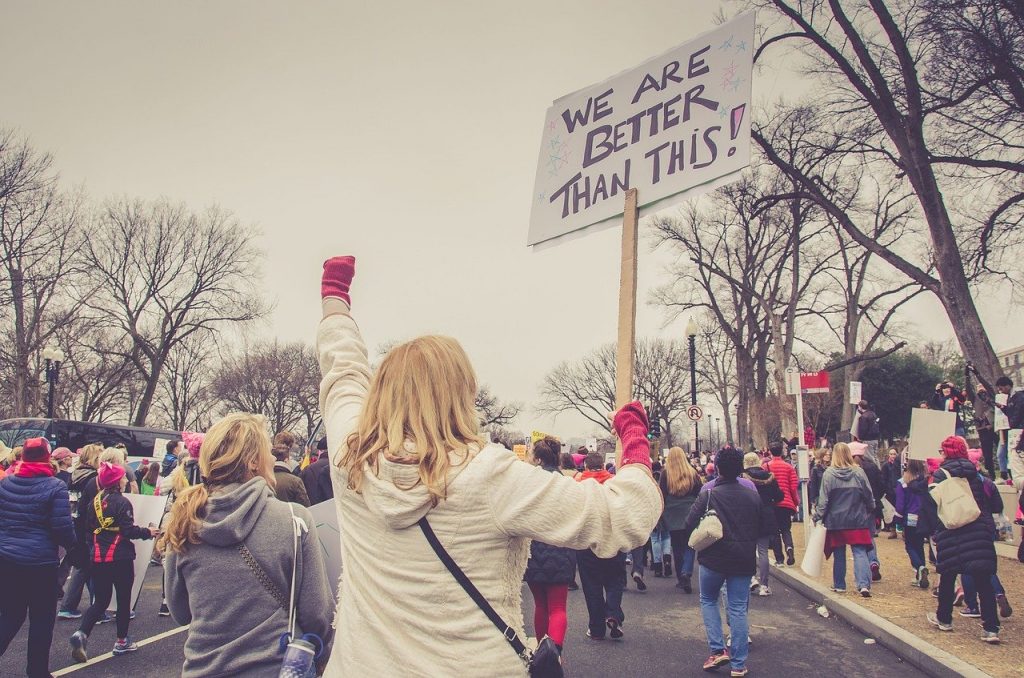
A leader in a global professional services firm posts a picture on LinkedIn of he and his family on a peaceful protest march this weekend outside a US sports stadium. His colleagues then post supportive comments, and likes. I make no judgement on his views.
My question is does he publish this stuff consistently on his own company’s media platforms? If he is not permitted to do so, at what point is it appropriate to do that on what most individuals would consider a business media platform?