The art business has been remarkably resilient. The wealthiest collectors and new rich have found a safe haven in art. However, is that too simple an explanation? James goes behind the headlines to really understand what is driving the spending patterns of the super rich, what are the lessons to be learned for luxury brand leaders, their strategies and the impending risks. A must listen for anyone seriously interested in the subject

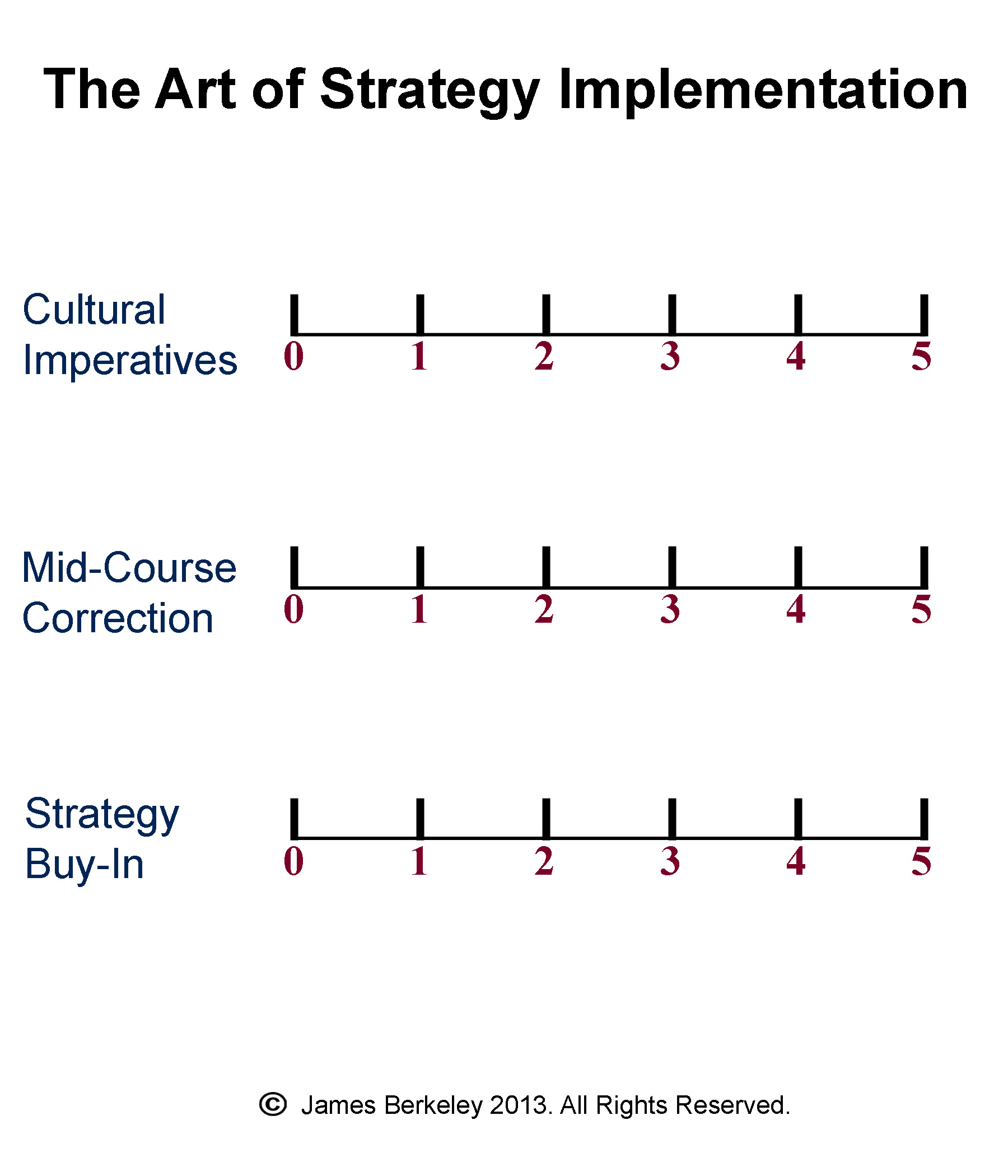
“Successfully implementing business strategy demands that those accountable for the results, at all levels within the business, have the following building blocks in place BEFORE starting out:
1. “Cultural Imperatives” – you have a high level of clarity about “what” behaviours (creativity, high self-esteem, innovation etc.) are required to achieve your business goals and how to make that happen (exemplars, accountability, reinforcement etc.).
2. “Mid-Course Correction” – you have a high level of clarity about the mix of preventative and contingent action that must be in place in place for foreseen and unforeseen obstacles. For example, a Swiss Private bank building an Asian platform must formulate market growth assumptions based on hard evidence and observed behaviour collected by Relationship Managers “on the ground”, not a perfect paper exercise undertaken by strategists in an oak-panelled Zug boardroom. Six months after establishing a presence in Singapore, the Private Bank finds UHNW Asians are more circumspect about paying for advice than their counterparts in North America or Europe. The Private Bank must have the ability to rapidly “roll out” alternative products, services and relationships, to re-deploy resources, train relationship managers and powerfully communicate the value to high potential customers such that conversion into closed business has a negligible impact on top and bottom line growth projections.
3. “Strategy Buy-In” – you have a high level of acceptance for your strategy from your key constituents (customers, employees, shareholders and other communities), such that there is goal congruency and a mutual self-interest in achieving them. For example, the Swiss Private Bank’s best customers in Europe see it is in their self-interest for the Bank to build a strong Asian platform that provides for enhanced future investment in new technology, people and service offerings. The Banks’s employees in Zurich and London accept that a disproportionate deployment of capital to the nascent Asian business is in their best interests short and long-term and they will share in the rewards of that success. Shareholders readily accept lower levels of return short-term for greater long-term profit and a more sustainable business. Regulators readily agree to the Private Bank accepting a larger proportion of deposits from countries (mainland China) where transparency checks and compliance are harder to determine, in order to safeguard the future relevance of the sector amongst the super wealthy.”
Podcast: Play in new window | Download